Physiotherapy
Physiotherapy (also known as physical therapy) is a healthcare profession dedicated to improving movement, function, and quality of life through examination, diagnosis, and physical intervention. It focuses on the body's musculoskeletal, neurological, and cardiopulmonary systems to help individuals recover from injuries, manage chronic conditions, or improve physical performance.

How to identify PT Problems
Physiotherapy is not one-size-fits-all; it combines several modalities to address an individual's specific needs:
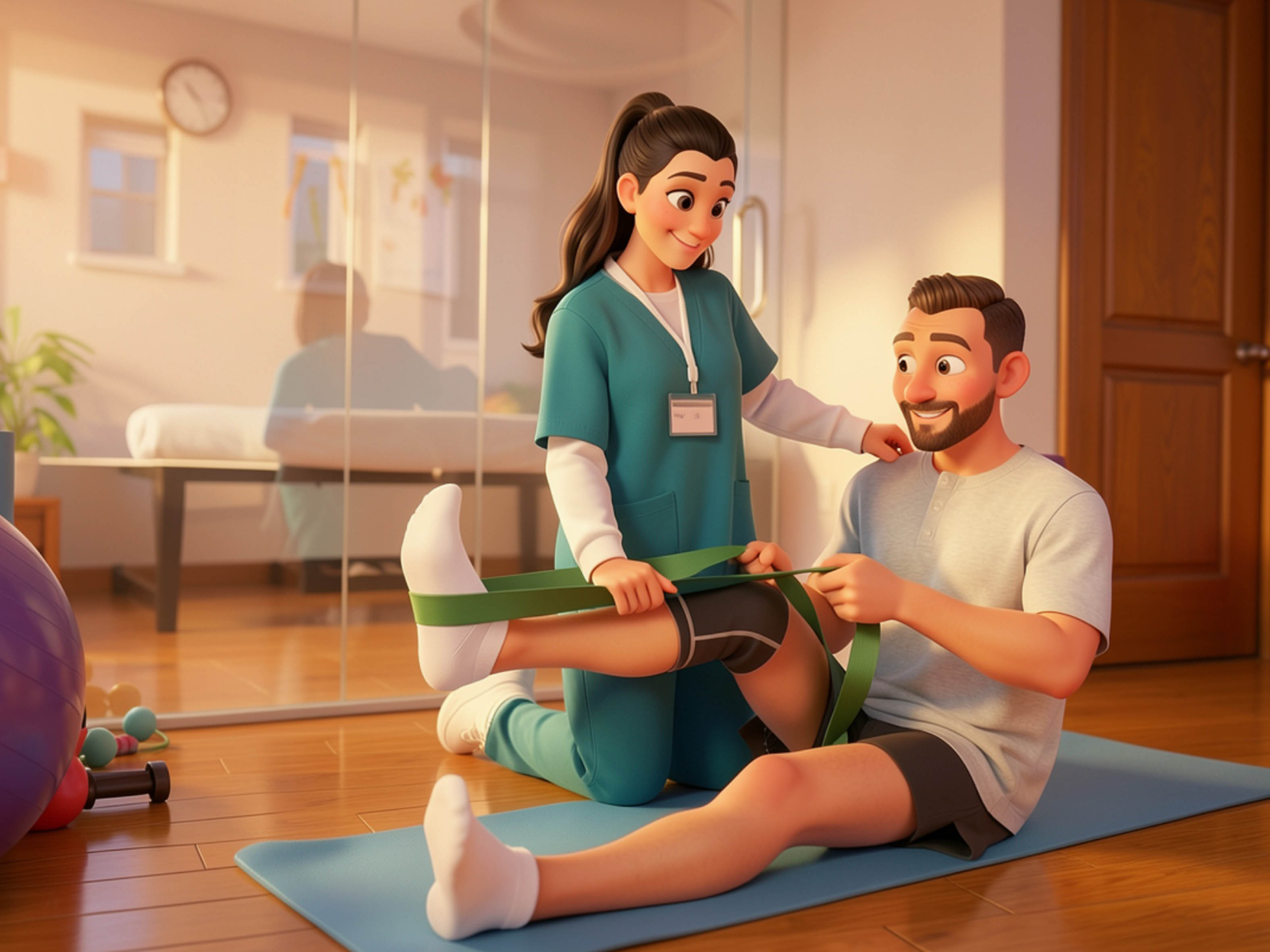
Manual Therapy: Hands-on techniques such as joint mobilization, manipulation, and massage to reduce pain, improve range of motion, and decrease muscle tension.
Therapeutic Exercise: Personalized programs focusing on stretching, strengthening, and endurance training. This helps rebuild muscle lost during injury or surgery and corrects imbalances.
Neuromuscular Re-education: Activities designed to improve balance, coordination, posture, and proprioception (the body's ability to sense its position in space), often used for stroke recovery or post-concussion management.`Modalities: The use of specialized equipment, such as ultrasound, electrical stimulation (TENS), heat/cold therapy, or traction, to manage pain and promote tissue healing.
Education and Prevention: A critical part of the process is teaching patients about their condition, ergonomics, and how to perform activities safely to prevent future injuries.
Our Therapy Process
Book Appointment
Select your preferred date and time, fill in your details, and confirm your appointment.
Therapy Sessions
Book your therapy sessions easily. Choose the type of therapy, select a suitable time slot, and confirm your appointment.
Gain Confidence
Our programs help you build self-confidence and improve communication skills through guided therapy sessions.
Let us support PT
Physiotherapy is beneficial for people at any stage of life experiencing a wide range of issues:
Musculoskeletal Injuries: Sprains, strains, fractures, back and neck pain, or sports-related injuries (e.g., ACL tears, tennis elbow).
Post-Surgical Rehabilitation: Recovering after procedures like hip/knee replacements, spinal surgeries, or rotator cuff repairs.
Chronic Conditions: Managing long-term pain, arthritis, or stiffness. Neurological Conditions: Improving function for individuals with Parkinson’s disease, Multiple Sclerosis, or those recovering from a stroke or spinal cord injury.
Developmental or Geriatric Needs: Supporting children with movement delays or helping older adults maintain mobility and reduce the risk of falls.
The ultimate goal is to restore function. This means helping the individual return to their daily activities—whether that is walking to the grocery store, performing at a high level in a sport, or simply sitting at a desk without chronic discomfort. Physiotherapists emphasize empowering the patient to take an active role in their own recovery through home-based exercise programs.
 Our Related Services

Our Related Services

Available in Uttara Branch

Available in Uttara Branch

Available in Uttara Branch

Available in Uttara Branch

Available in Uttara Branch

Available in Uttara Branch

Available in Uttara Branch