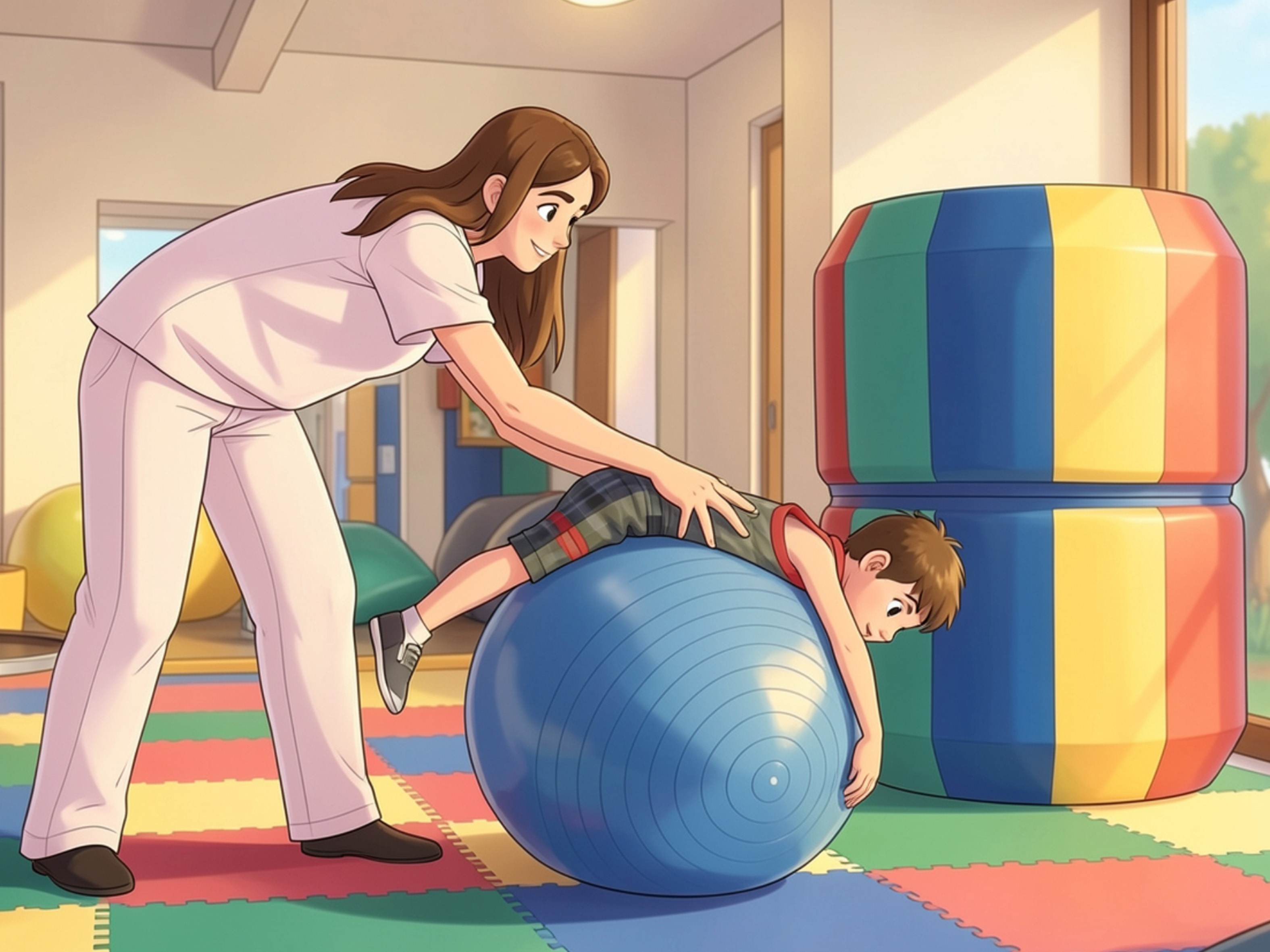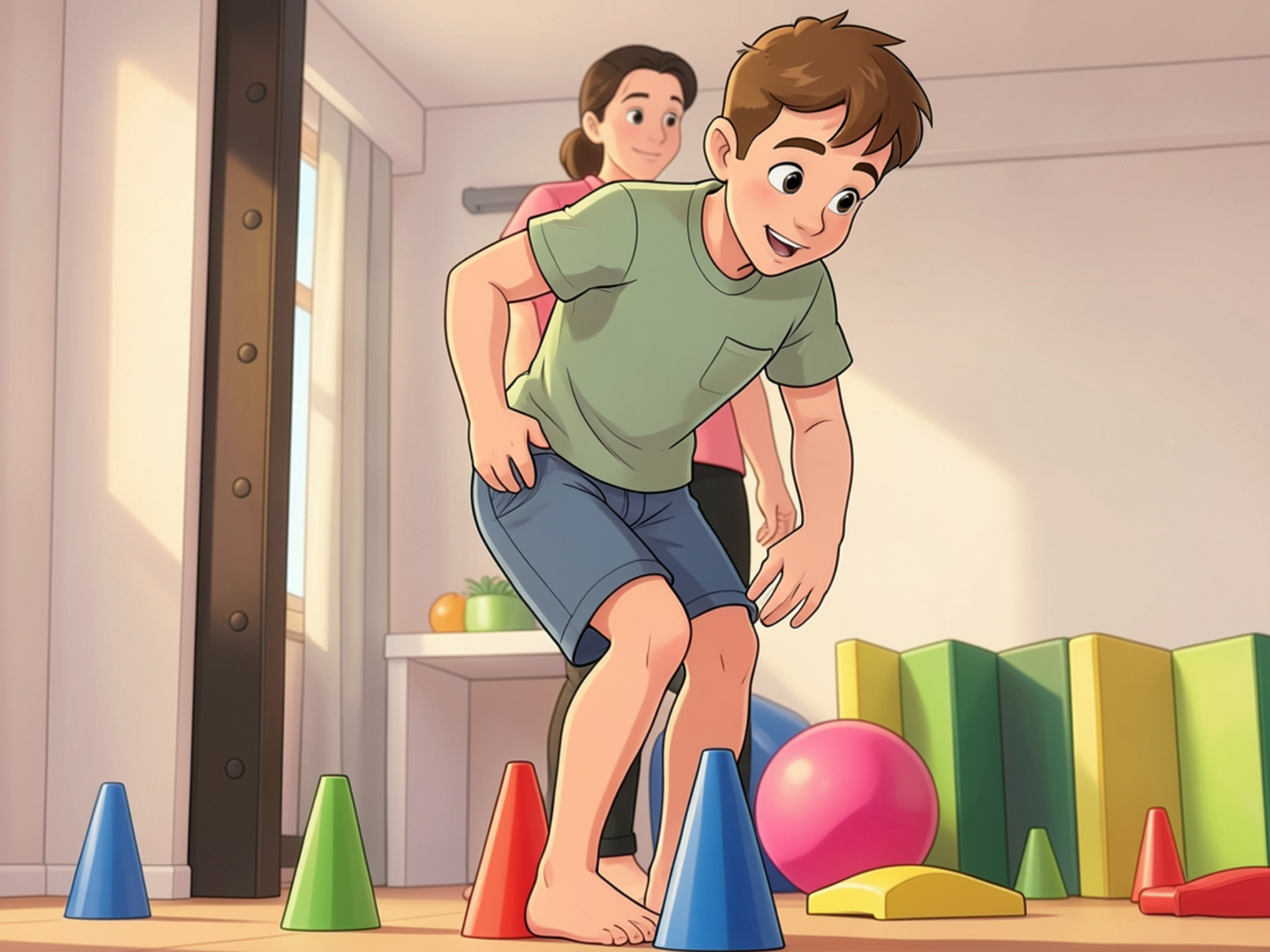
Occupational Therapy (OT) is a healthcare profession focused on helping people of all ages do the things they want and need to do through the therapeutic use of daily activities (occupations).
Unlike therapies that focus solely on fixing a physical injury, OT looks at the whole person and helps them adapt to their environment, master daily tasks, and regain independence.
Activities of Daily Living (ADLs): Helping individuals master self-care tasks like dressing, eating, bathing, and grooming.
Instrumental ADLs: Assisting with more complex tasks needed for independent living, such as managing finances, cooking, grocery shopping, and driving.
Pediatric & Neurodevelopmental Support: Working with children who have developmental delays, autism, or sensory processing challenges to improve fine motor skills, social interaction, and school readiness.
Rehabilitation & Recovery: Helping adults recover from strokes, brain injuries, or physical trauma to relearn motor patterns and cognitive skills.
Environmental Modification: Assessing homes, schools, or workplaces to recommend adaptive equipment (like ramps, specialized utensils, or ergonomic setups) that make environments accessible.
1. Observe "Occupational Performance" Gaps
Look for frustration, avoidance, or dependency in three core categories:
Self-Care: Struggles with dressing, feeding themselves, bathing, or maintaining personal hygiene.
Productivity: Difficulty keeping up with schoolwork, performing job duties, managing a household, or handling finances.
Leisure: Inability to participate in hobbies, play (for children), or social activities due to physical, mental, or sensory barriers.
When a task fails, identify why it's failing by checking these areas:
Motor Skills: Weak grip, poor balance, lack of coordination, or low endurance (e.g., struggling to hold a pencil or button a shirt).
Process & Cognitive Skills: Poor focus, difficulty sequencing steps, memory gaps, or trouble organizing a task (e.g., forgetting the order of steps to cook a simple meal).
Sensory Processing: Over- or under-reacting to sounds, textures, lights, or movement (e.g., being completely overwhelmed by certain clothing tags or crowded environments).
Social Interaction Skills: Difficulty communicating needs, reading social cues, or regulating emotions during group activities.
Sometimes the problem isn't the person, but the space around them. Look for:
Physical obstacles (e.g., narrow doorways, poor lighting, high shelves).
Lack of adaptive tools or routines that build predictability.
The Quick Check: Ask these three questions:
What daily activity is this person avoiding or struggling to finish?
Is it a physical, cognitive, or sensory barrier stopping them?
How is their current environment making the task harder?
Select your preferred date and time, fill in your details, and confirm your appointment.
Book your therapy sessions easily. Choose the type of therapy, select a suitable time slot, and confirm your appointment.
Our programs help you build self-confidence and improve communication skills through guided therapy sessions.
Promote Early Intervention: Share awareness about how early OT intervention drastically improves developmental outcomes for children facing sensory or motor challenges.
Advocate for Accessibility: Support inclusive design in public spaces, workplaces, and schools so everyone—regardless of physical or cognitive ability—can fully participate.
Focus on the "Whole Person": Spread the word that healthcare isn't just about medicine or physical strength; it's about helping people regain the practical skills to cook, work, create, and thrive.
Build Collaborative Networks: Connect therapists, educators, and families to share strategies, creating a seamless support system across home, school, and clinic environments.
Our Related Services