Oral Placement Therapy

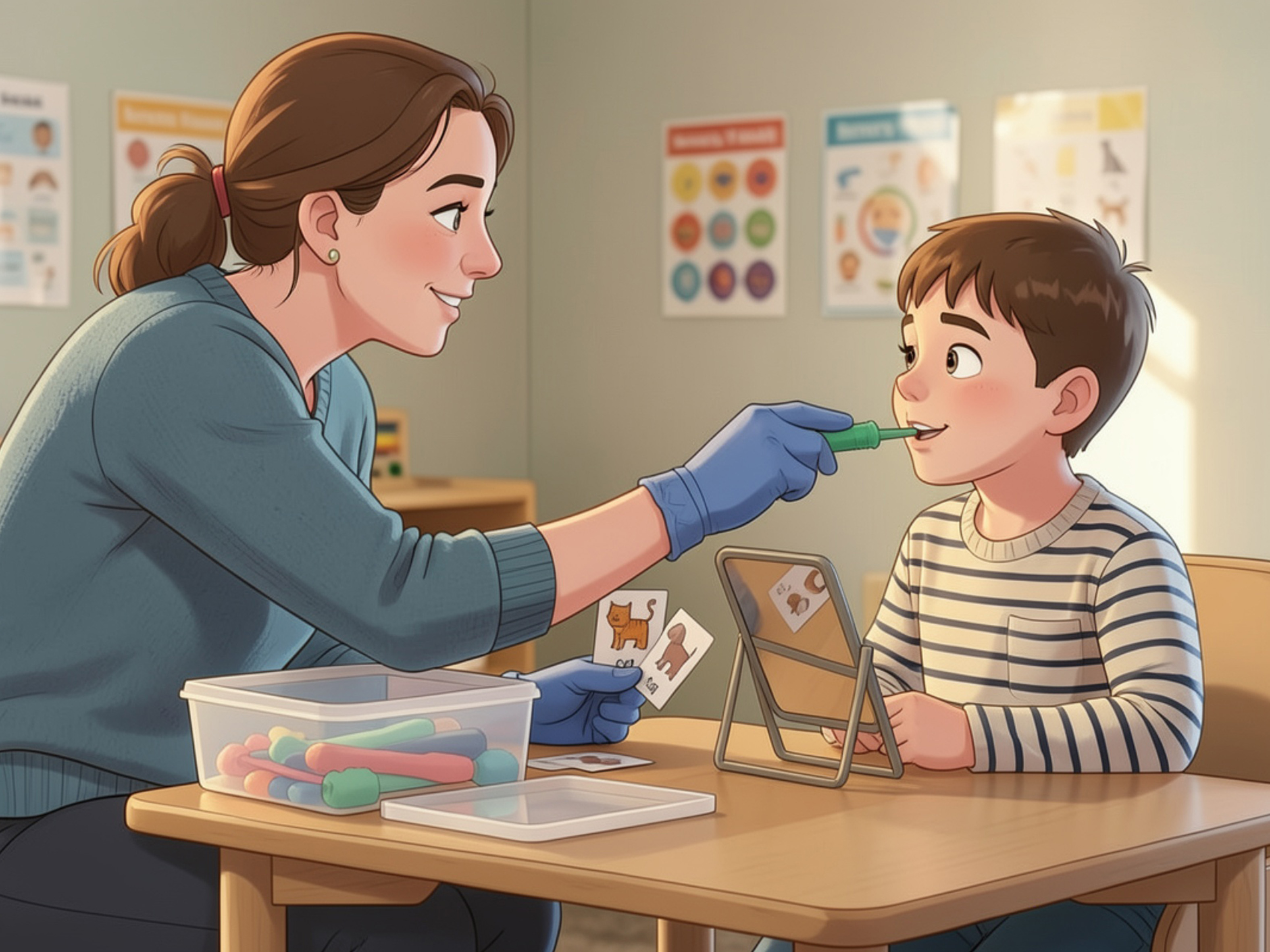
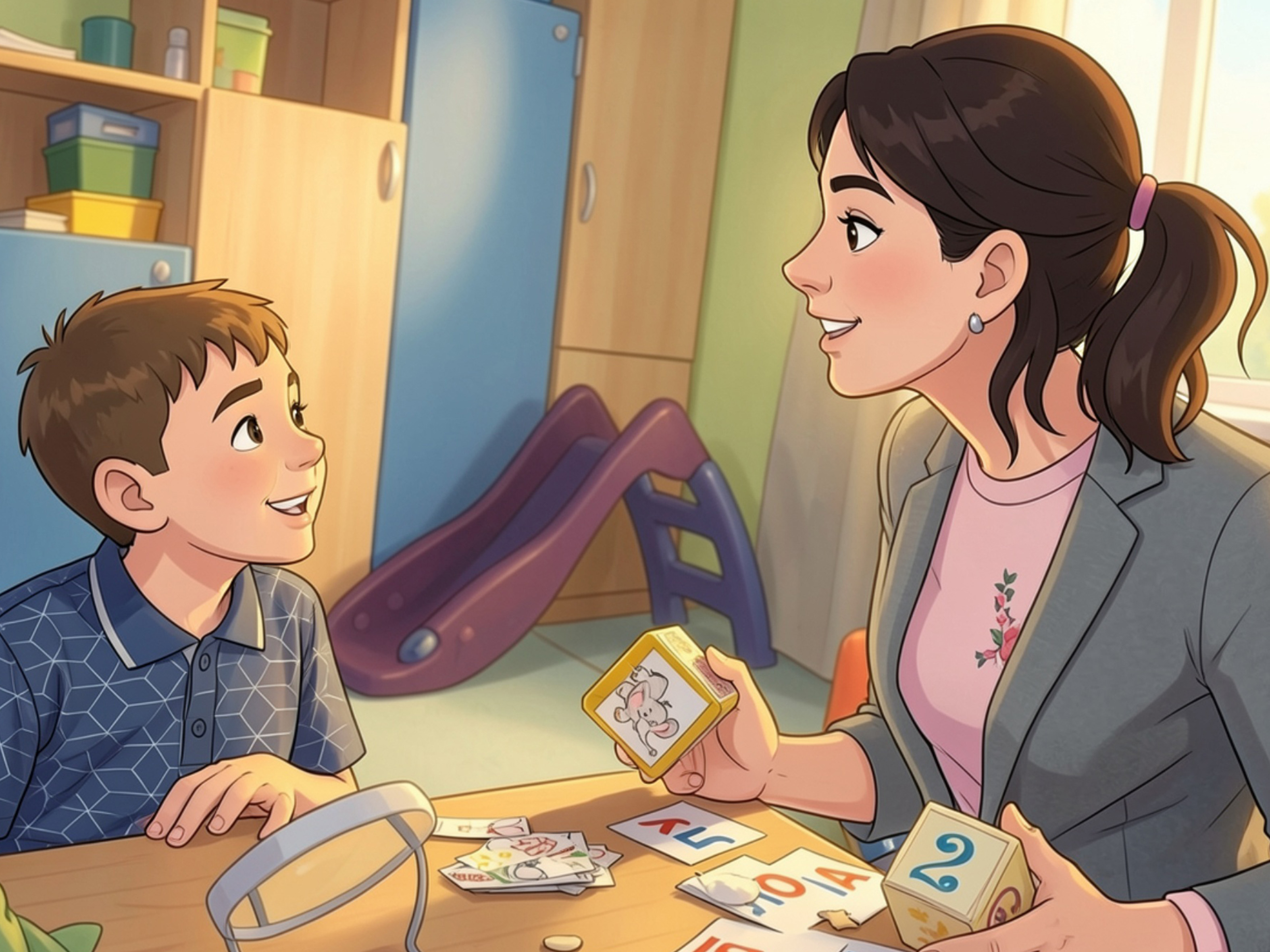
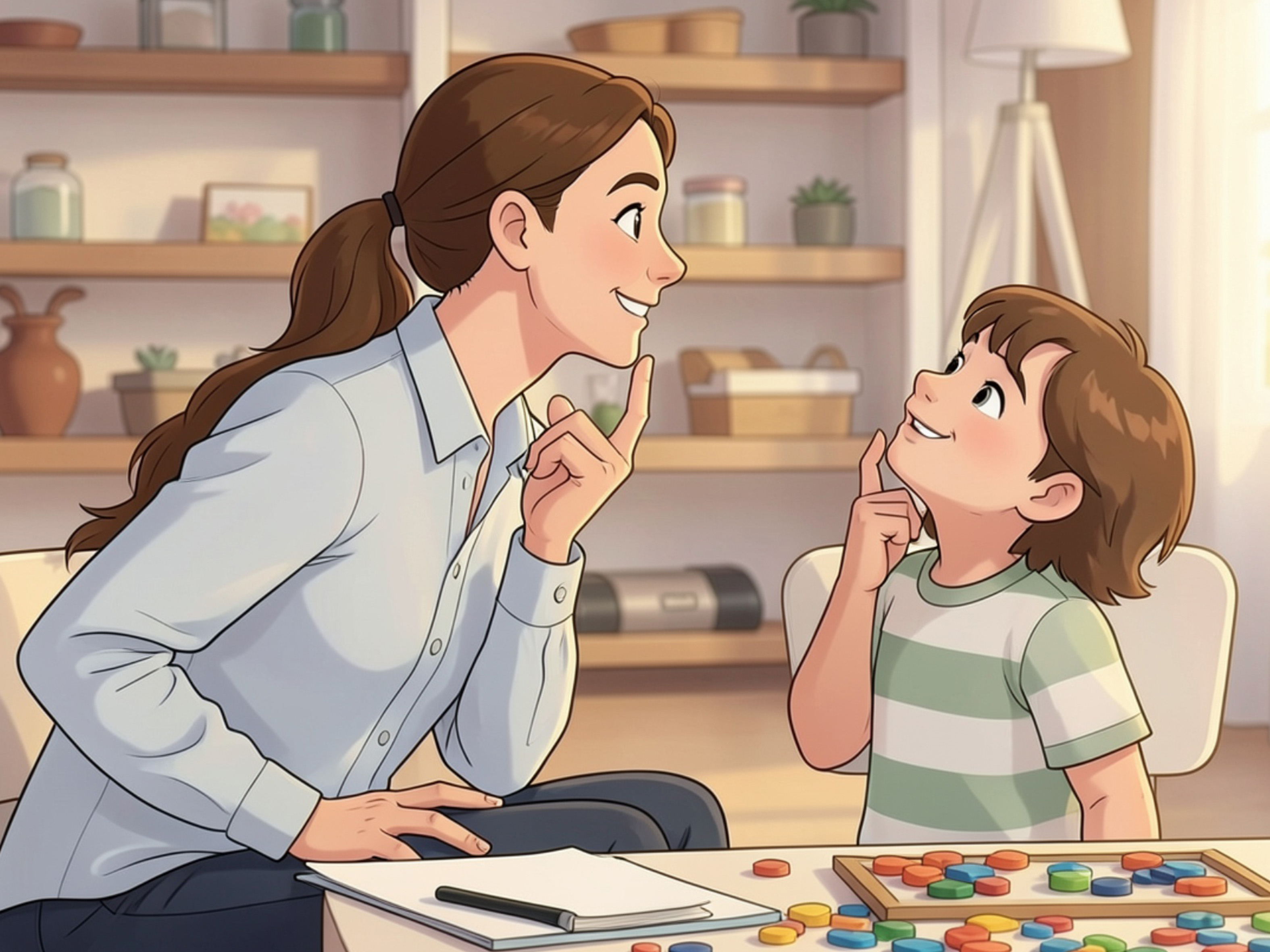
Oral Placement Therapy (OPT) is a specific type of oral-motor therapy used by Speech-Language Pathologists (SLPs) to help individuals who cannot position their articulators (the jaw, lips, and tongue) correctly for clear speech or safe feeding.

Unlike traditional speech therapy, which relies heavily on visual and auditory cues (like "look at me and copy this sound"), OPT uses tactile (touch) and proprioceptive (spatial awareness) stimulation to teach the mouth muscles how to move.

Core Objectives

OPT focuses on building foundational oral motor skills to support communication and feeding. It targets three critical physical components:

  • Dissociation: Helping the oral structures move independently of each other (e.g., moving the tongue without moving the entire lower jaw).

  • Grading: Training the muscles to control the exact degree of movement needed, such as opening the jaw just wide enough for a specific vowel sound.

  • Directionality: Strengthening the ability to move the lips, tongue, and jaw in the precise directions required for complex speech sounds.

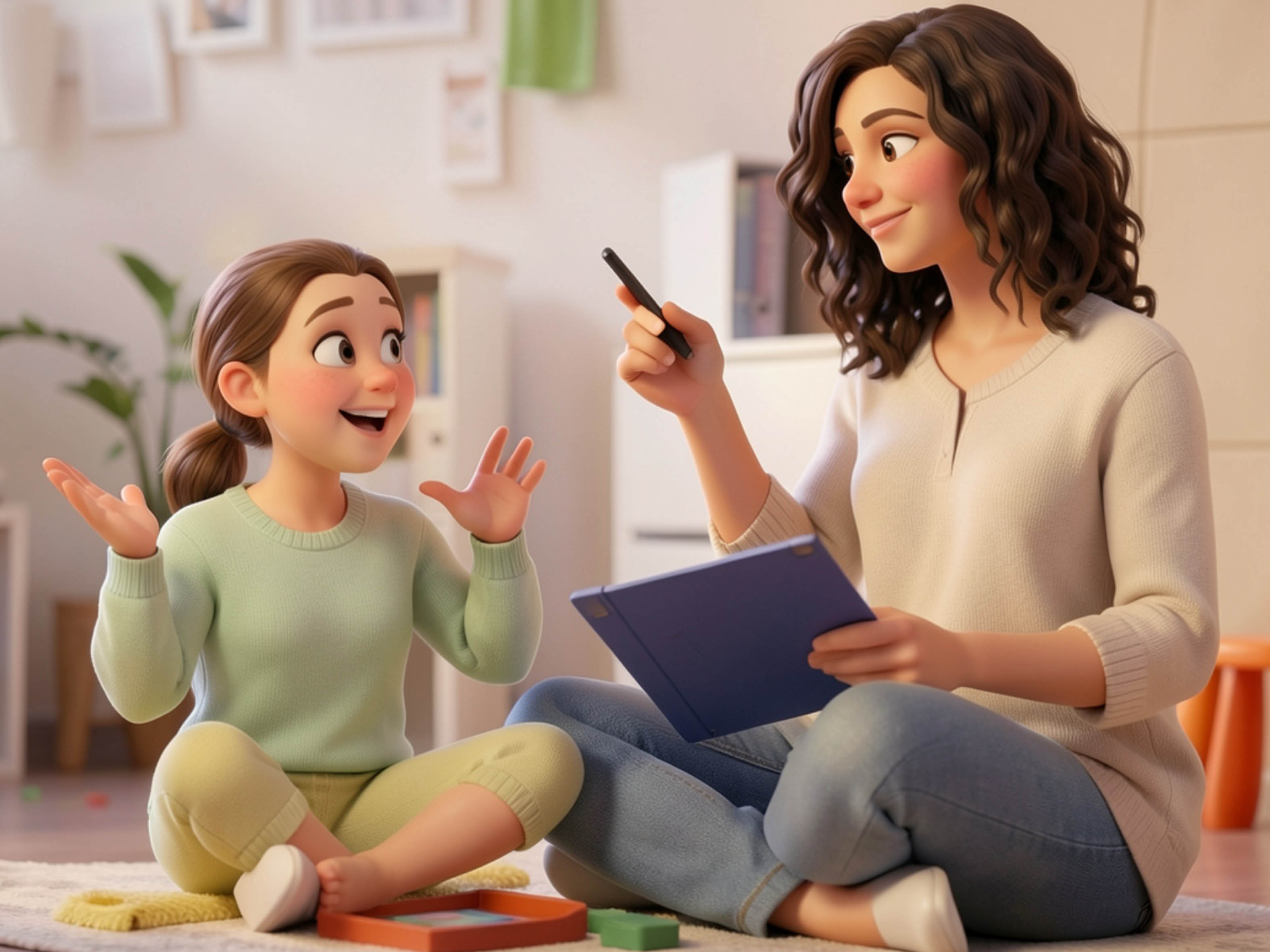
Service Image 1
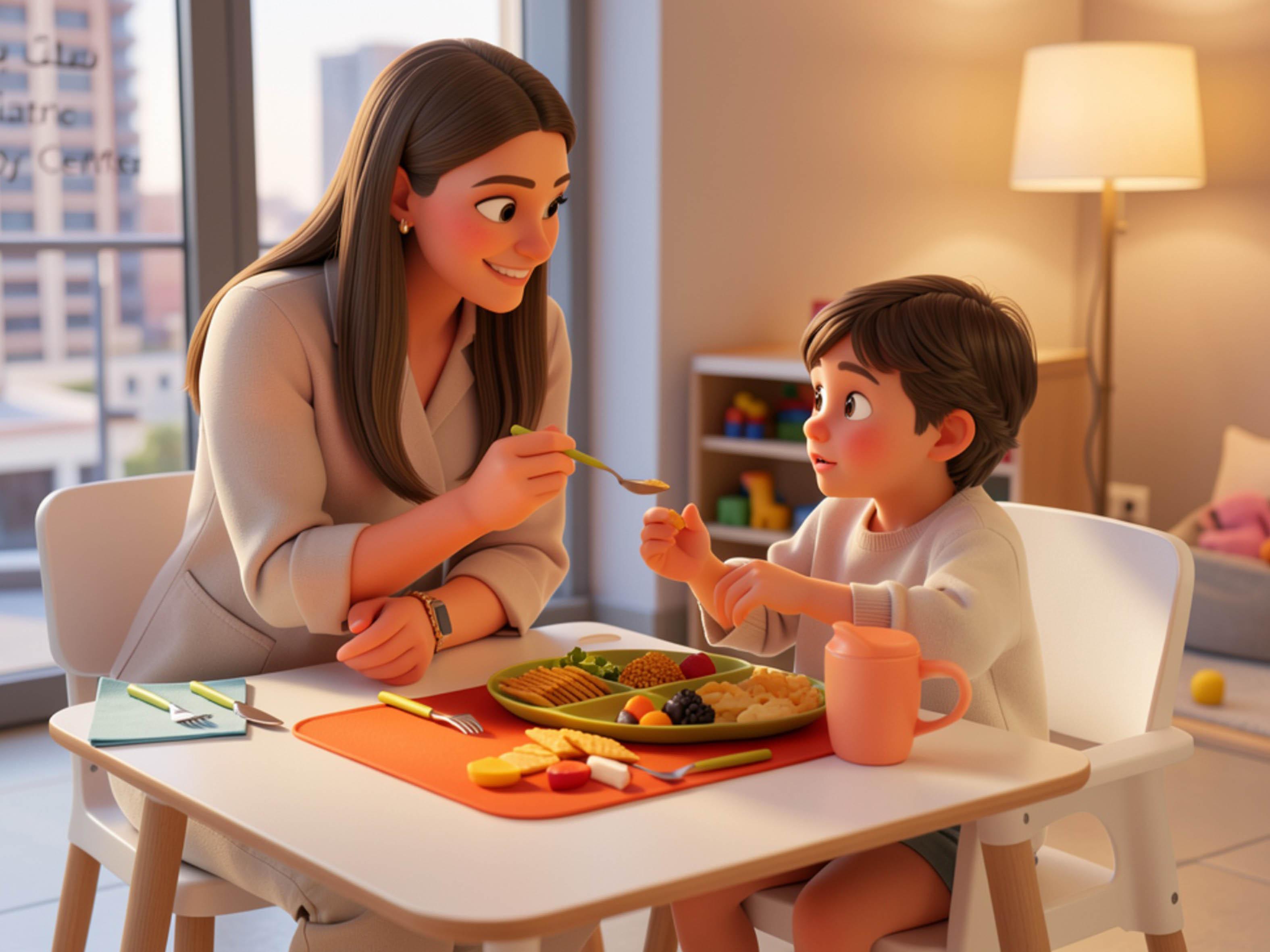
Service Image 2

How to identify OPT Problems

1. Core Visual & Postural Signs

  • Open-Mouth Posture: The mouth routinely hangs open at rest.

  • Frequent Drooling: Poor saliva control beyond the typical teething age, often due to weak lip closure or infrequent swallowing.

  • Lack of Facial Expression: The lower face and cheek muscles appear weak, floppy, or under-responsive (low muscle tone).

2. Feeding & Swallowing Difficulties

Because feeding and speech share the same oral muscles, feeding issues are a massive indicator:

  • Open-Mouth Chewing: Inability to keep lips sealed while chewing.

  • Texture Aversions: Extreme sensitivity or refusal of specific food textures (e.g., only eating purees, choking on solids).

  • Poor Tongue Control: Pushing food out of the mouth instead of moving it to the back teeth to chew (poor tongue lateralization).

  • Difficulty Drinking: Inability to manage a standard open cup or properly suck through a straw without biting it for stability.

3. Speech & Articulation Red Flags

  • Failed Traditional Speech Therapy: The child has tried traditional "look at me and repeat" therapy but shows minimal progress because they cannot physically copy the movement.

  • Muffled or Slurred Speech: A general lack of speech clarity (low intelligibility), often sounding like they are speaking with a full mouth.

  • Vowel-Only Speech: Relying heavily on vowels because consonant sounds require complex physical placement ($/p/, /b/, /m/$ require tight lip closure; $/t/, /d/, /k/$ require precise tongue elevation).

  • Inability to Imitate Movements: Cannot purposefully stick out their tongue, move it side to side, or round their lips into an "O" shape when asked.

4. Sensory Manifestations

  • Hypersensitivity (Over-responsive): Gags easily, resists toothbrushing, or reacts strongly to anything touching their face or mouth.

  • Hyposensitivity (Under-responsive): Regularly stuffs too much food into their mouth, craves intense flavors/vibrations, or is unaware of food/saliva on their face.

The Big Takeaway: If a child cannot imitate oral movements visually, struggles to control saliva, exhibits messy feeding habits, or cannot maintain a closed-mouth posture at rest, their speech delays are likely tied to an underlying sensory-motor placement issue rather than just a language or auditory processing delay.

Our Therapy Process

Book Appointment

Select your preferred date and time, fill in your details, and confirm your appointment.

Therapy Sessions

Book your therapy sessions easily. Choose the type of therapy, select a suitable time slot, and confirm your appointment.

Gain Confidence

Our programs help you build self-confidence and improve communication skills through guided therapy sessions.

Let us support OPT

Oral Placement Therapy (OPT) is a highly specialized, tactile approach that bridges the gap between traditional speech therapy and sensory-motor deficits.

When a person cannot produce clear speech or chew safely due to physical limitations in their mouth, OPT uses specialized tools to build muscle memory, strength, and coordination.

  • Anxiety and stress management
  • Depression and mood disorders

The Three Core Pillars of OPT

An effective OPT program targets three main structures of the oral mechanism. If one pillar is weak, the others lose their foundational support:

  • Jaw Stability: The jaw is the foundation of the mouth. If the jaw isn't stable, the lips and tongue cannot move independently. OPT focuses heavily on building jaw strength so it doesn't drift or lock during speech or eating.

  • Lip Closure: Necessary for creating pressure to pronounce sounds like $/p/, /b/, /m/$ and for keeping food and saliva inside the mouth.

  • Tongue Dissociation: The ability to move the tongue independently of the jaw (e.g., lifting the tip of the tongue to touch the roof of the mouth without moving the whole chin up).

no image Our Related Services no image

Our Related Services

Speech and Language Therapy icon
Speech and Language Therapy

Available in Uttara Branch

Occupational Therapy icon
Occupational Therapy

Available in Uttara Branch

Sensory Integration Therapy icon
Sensory Integration Therapy

Available in Uttara Branch